
“My days will be better,” Manjula told me as she wrapped her bright teal sari tighter around her chest. Manjula had prayed every day for a new house — asking God to give her a roof, a lock and a home...
Learn More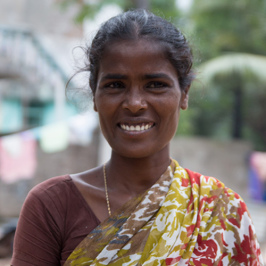
She loses a lot more than you might think. She loses love and companionship. She also loses financial provision. And in most communities she is forbidden to remarry - no matter what her age. If they are superstitious, her family might also blame her for her husband's death. Either way, she drifts to the edge of her community - a person without a place. She still has to try find work to support herself, though - and her children. She still has to try make a home for them to grow up in. But from now onwards she has to try by herself. So most of all perhaps, she risks losing hope. There are 40 million widows in India. That's a lot of opportunities for us to stay hands-off ... or to get hands-on :)
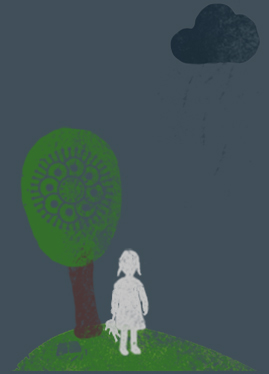
Without the help of a husband or her community, she will battle to find work and provide a home for herself and her children.
She may have to sleep outdoors, or try to maintain a traditional palm-thatch shelter - which can cost around half a year's wages to replace every few years.
Worse, these thatch-roofed shelters are often inhabited by poisonous snakes and scorpions, and leak badly, letting in disease and damp.
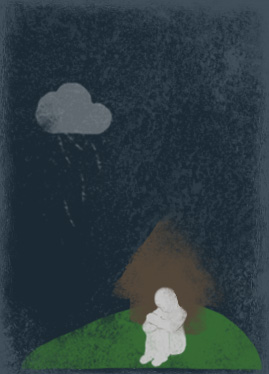

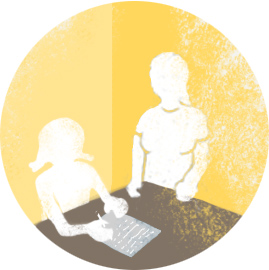
Giving a woman a house is giving her a tool. Because in a mother's hands, a house becomes a home - a place of safety and warmth, where her children can play, talk, study for school exams or share a meal. In that sense, it might be the most important tool in the world.
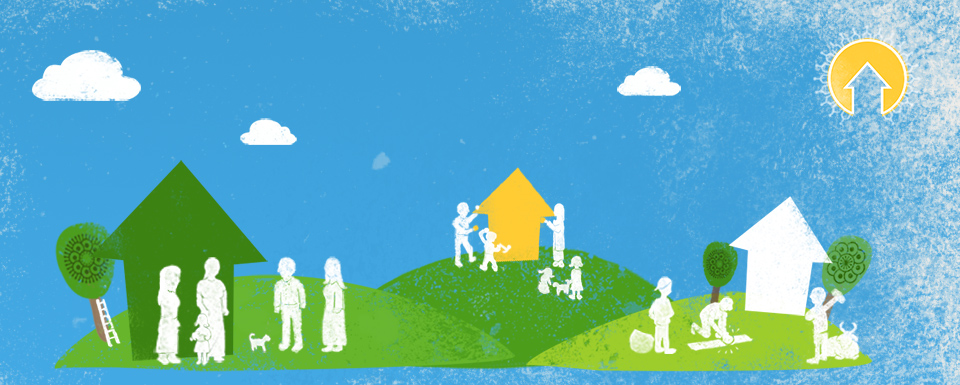
Building houses for widows has wider effects too. At Hands on Houses, we team up with builders from the same communities in which we build. And we ask community elders to help us choose whom to build for. So the people building the houses know the people they're building for - and each village participates in the process of reaffirming women's dignity and worth through generosity. It's the same thing when we build houses for very old or physically handicapped people. And we're working more to train local builders in our housing techniques, so they can start building operations of their own. There are still a lot of women who need our help, and there's no way we'll ever do it on our own :)
“My days will be better,” Manjula told me as she wrapped her bright teal sari tighter around her chest. Manjula had prayed every day for a new house — asking God to give her a roof, a lock and a home...
Learn More
Kanaga doesn’t remember the dates and years of her birth or her marriage, but she knows exactly how long ago her husband Sekar died. Kanaga had just spoken to him on the phone. He told her of a relative’s...
Learn More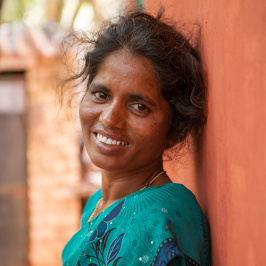
Jayalakshmi was 15 years old when her husband passed away. Barely a teenager, she was left with a three-month-old daughter. Without any education — like most of the women in her community — she...
Learn More